


Cloud Computing for Business
Our experts can advise, implement and support all aspects of cloud computing and associated technologies to help companies maximise the incredible benefits. We talk alot about working in the 'cloud' and backing up data to the 'cloud' but what do we mean by this and why is it so popular?
What is Cloud Computing?
Cloud computing is the delivery of computing services such as servers, storage, networking, databases, software, analytics and more, over the internet i.e. in the "Cloud". The shared services and resources can then be provided on demand to any internet device so you can access them anytime and anywhere. There are four main types of cloud computing:
Software as a Service (SAAS)
which provides applications to end users of the internet. There is nothing to install on your PC and the applications are generally accessed through a web browser. Such as Microsoft 365.
Infrastructure as a Service (IAAS)
Provides virtual servers and networks along with storage and systems software and is designed to be an adjunct to or replace an entire data centre. Such as Microsoft Azure.
Platform as a Service (PAAS)
Provides a virtual platform on which you can run existing applications or develop new ones without having to worry about the underlying operating system and it's management.
Server Hosting
This means that instead of installing a local server, it is possible to have your server (in the cloud) or hosted somewhere else.
What are the benefits?
It is a different way of thinking about your IT resources and there are many reasons why businesses are shifting to cloud computing:

Cloud computing can eliminate the capital expenses associated with setting up your IT such as buying hardware and software and running data centres. This includes saving on the rack of servers, the round-the-clock electricity for power and cooling and the on-hand IT experts for managing infrastructure.

It's likely that your cloud resources (email, storage, applications etc.) are just a click away; they're so easy to set up, often self-service and on-demand so your computing resource can be provisioned in minutes. This gives businesses a lot of flexibility, the agility to respond to changing needs and takes the pressure off capacity planning.

Most cloud computing services include the ability to scale elastically. So, not only can computing resources be increased (or decreased) when needed, but they can be available quickly at the right geographic location.

Cloud computing means less infrastructure management and set-up therefore your IT teams can spend time on achieving more important business goals. In addition, teams can access information anytime, anywhere for greater efficiency, communications and collaboration with remote working and more flexibly working - perfect for part-time staff or teams out in the field.

Cloud data centres typically benefit from high level security and are regularly upgraded to the latest generation of fast and efficient computing hardware. They offer more benefits over and above a single, corporate data centre, including reduced network latency for applications and greater economies of scale.

It allows for data to be mirrored across multiple, redundant sites on the cloud provider's network and therefore makes data backup, disaster recovery and business continuity easier, less expensive and highly reliable.
Our current cloud solutions include:
- Microsoft 365 (including OneDrive, Sharepoint and Teams)
- Microsoft 365 backup
- Azure
- Enterprise mobility
- Cloud backup
- Email signature management
- Hosted Phones Systems
- Cloud Managed and Monitored Infrastructure
For additional information on how we can support your business to make the move to the cloud simply contact our friendly sales team.
Talk to us!
Evaluate Microsoft 365 with a FREE trial license so you can explore the freedom of access to the office when and where you need it!
Find out more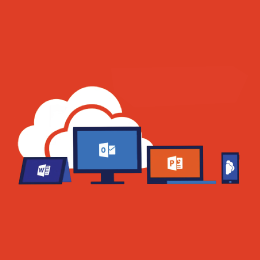

Call Me Back
I would like to discuss NCI Services & Support
Share